.png)
Pay Per Click Advantages: 5 Reasons Why It’s the Fastest Way to Scale Revenue
.png)

.png)

Pay-per-click (PPC) helps businesses get fast traffic, reach ready-to-buy users, and track results clearly. It is a digital marketing model where advertisers pay for every user ad interaction. In 2026, costs vary by industry and platform, but most businesses see average costs between $1 and $3 per click.
Modern PPC uses AI to match ads with user intent across search engines and voice assistants, a process called search intent modeling. Ads are shown based on what users are looking for, not just the words they type.
Key Takeaways
- Unlike organic SEO, which takes months to build, PPC improves rank placement on search results and social feeds immediately.
- Modern platforms use AI and machine learning to match ads with specific user intent, allowing brands to find customers at the very start of their buying journey.
- Users are using voice assistants more often in 2026, increasing conversational search and ads focused on specific intent than just keywords.
- Granular remarketing (targeting users based on previous actions) helps recover lost traffic by personalizing ad targets.
- PPC offers precise attribution, enabling brands to pause failing ads and instantly reallocate budget to high-performing campaigns.
Article Overview
This article explores why Pay-Per-Click (PPC) advertising is the fastest engine for scaling revenue in the 2026 digital landscape. It details five primary benefits, while balancing these advantages against potential risks like rising costs and keyword cannibalization. Readers will learn how to leverage measurable data to optimize spend and re-engage lost traffic through granular remarketing.
Why Use PPC in 2026?
PPC is one of the fastest ways to grow online because it works right away. Unlike SEO, which can take months, PPC can bring traffic within hours.
Here’s why businesses use PPC today:
- It reaches users at the exact moment they are ready to act
- It works across search, social media, and voice platforms
- It uses AI to improve targeting over time
- It tracks results clearly using metrics like CPA (Cost Per Acquisition)
- It adapts to privacy changes using first-party data integration
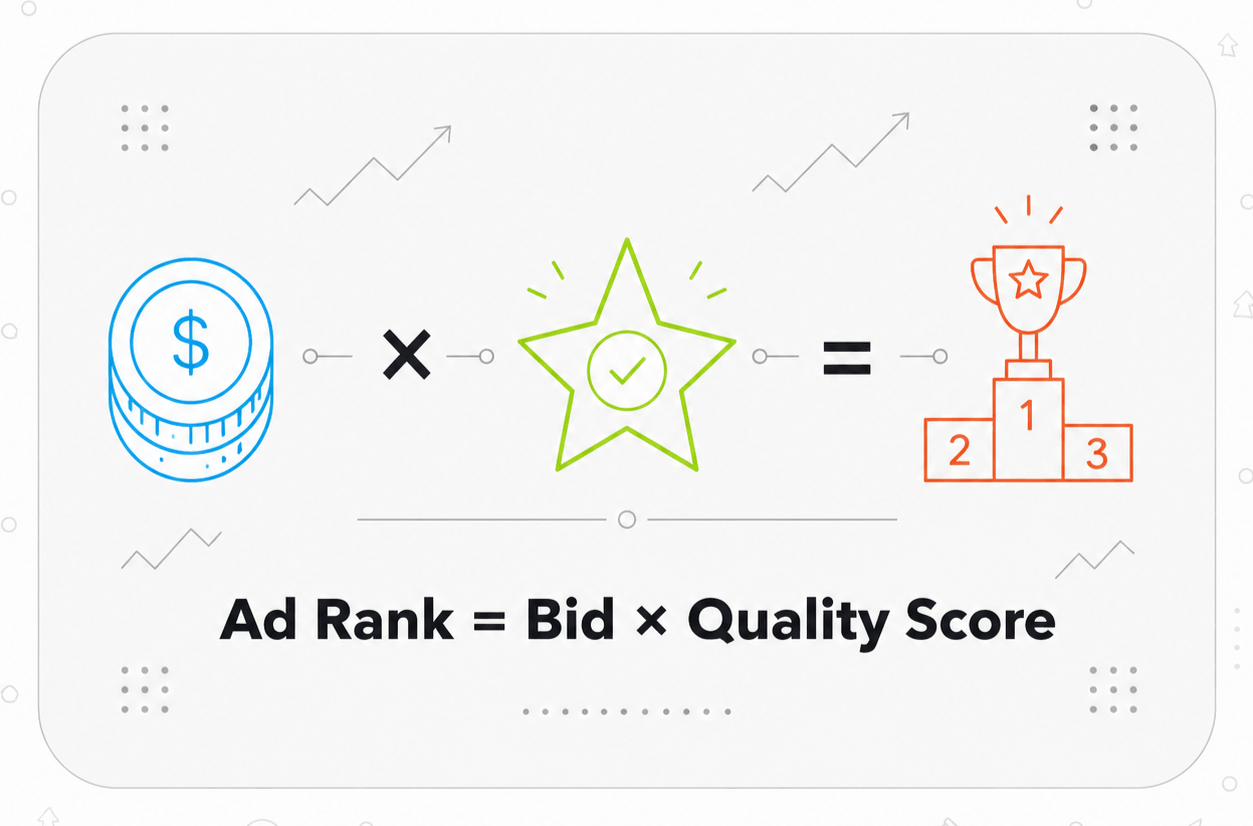
However, it is important to understand that PPC does not guarantee a top spot. Ads enter an auction where placement depends on Ad Rank (bid × quality score). This means better ads and better user experience can win higher positions, not just bigger budgets.
5 Reasons Why Pay Per Click is the Fastest Way to Scale Revenue
1. Immediate Visibility and Audience Reach
PPC gives businesses quick visibility on search engines and social platforms. After campaign launching, advertisements can be displayed at the top of search results..
WordStream Industry Benchmark in 2025 shows the average Google Ads conversion rate at 7.52%, and Facebook Ads converting at 7.72%. This means that users find relevant solutions to their problems immediately without having to scroll through pages of search results.
However, placement is not guaranteed. Ads compete in real-time auctions. The system looks at your bid and how useful your ad is to users.
When ads match user needs well, they can reach high positions and drive strong results. This makes PPC a fast way to connect with people who are already searching for solutions.
2. Automated AI Targeting for Specific Audience Groups
Modern PPC platforms use AI to find the right audience. Instead of only using keywords, they look at behavior, interests, and intent.
For example, by separating audiences based on intent (buying versus investing), HutnHomes in 2026 increased leads from 40 to over 64 per month while simultaneously dropping their Cost Per Lead (CPL) from $150 to $70.
With personalized targeting, people see ads for products relevant to their interests, reducing unwanted product placements.
In 2026, this is even more important because of privacy changes. Third-party cookies are being removed due to stricter data privacy laws in regions like Europe and California. Laws such as the GDPR (General Data Protection Regulation) and CCPA (California Consumer Privacy Act) limit how companies can track users across websites without clear consent.
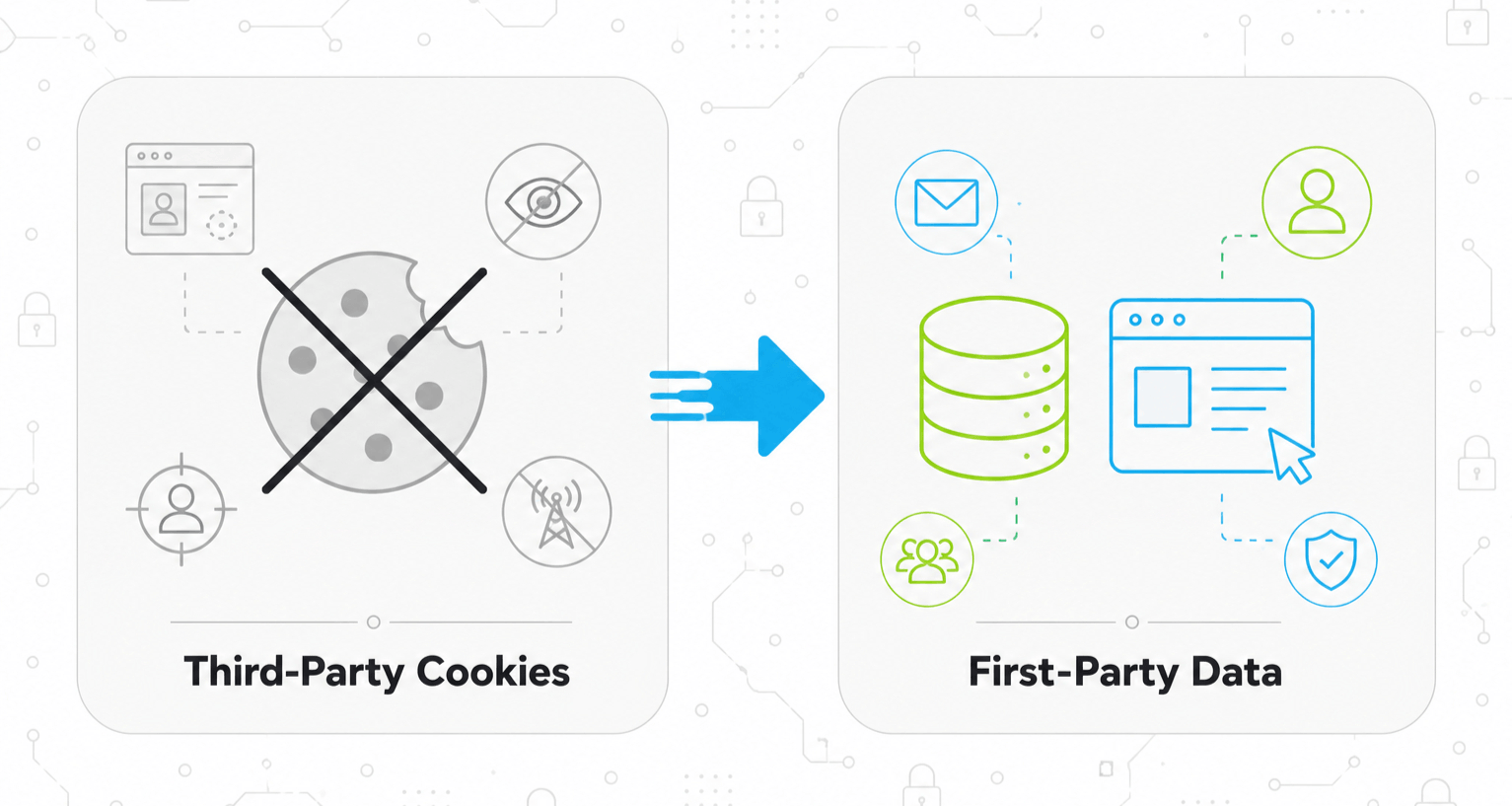
Platforms now rely more on first-party data integration. This includes data from your website, email lists, and customer records.
AI uses this data to predict who is most likely to take action. This helps businesses reach new customers while reducing wasted ad spend.
3. Recover Lost Audiences with Remarketing
Most users do not convert on their first visit. PPC helps bring them back through granular remarketing, which targets users based on specific actions they took before.
For example, someone who viewed a product but did not buy it can see a reminder ad later.
Marriott International in 2025 utilized this strategy to drive booking volume by serving personalized ads to travelers based on destination, language, and dates who had not yet completed a reservation. This resulted in a 289% increase in bookings and a 65% return on ad spend (ROAS).
Similarly, an e-commerce apparel company reported that, in the same year, it used Meta and Google retargeting to achieve a 48% increase in repeat purchases.
In the past, this relied heavily on third-party cookies. In 2026, things have changed. With tools like Privacy Sandbox, tracking is more limited.
Privacy Sandbox is a set of tools created by Google that allows advertisers to show relevant ads without tracking individual users across websites. Instead of following people, it groups users with similar interests and uses anonymous signals.
Now, remarketing works using:
- First-party data (like past site visits or sign-ups)
- AI-modeled audiences
- Context-based signals
Even without cookies, granular remarketing still works. It just depends more on strong data and smart AI systems.
4. Capturing New Buying Moments with Voice Search
Voice search is growing fast in 2026. More people now use voice assistants to ask full questions instead of typing short keywords. SQ Magazine reports in 2026 that voice already makes up about 27% of mobile searches, and Google processes over 1 billion voice queries every month.
For example:
- Typed search: “best running shoes”
- Voice search: “What are the best running shoes for beginners?”
Search is shifting toward conversational and exploratory queries, as Google highlighted in 2025. The platform expanded AI-powered search experiences like conversational search and “Search Live,” where users can ask follow-up questions in real time and receive spoken answers.
To capture this behavior, Google introduced tools like Smart Bidding Exploration, which helps advertisers reach broader and new queries. Google reports in 2025 that campaigns using this feature have seen an average 18% increase in new search query categories along with more conversions.
This means PPC is no longer only about bidding on keywords. It is about understanding intent across longer, natural-language queries.
Voice search PPC focuses more on intent than exact keywords. It works especially well for:
- Local services with “near me” searches
- Quick decisions such as restaurants or urgent needs
- Early-stage research questions
As search becomes more conversational, businesses that align their PPC strategy with how people speak can capture more high-intent users.
5. Measurable Growth with CPA and Real-Time Optimization
One of the biggest strengths of PPC is how easy it is to measure results, as it provides precise attribution, the process of identifying which marketing touchpoints lead to a sale.
With PPC, businesses can track:
- CPA (Cost Per Acquisition): how much it costs to get a customer
- Conversion rates: how many clicks turn into actions
- ROAS (Return on Ad Spend): how much revenue ads generate
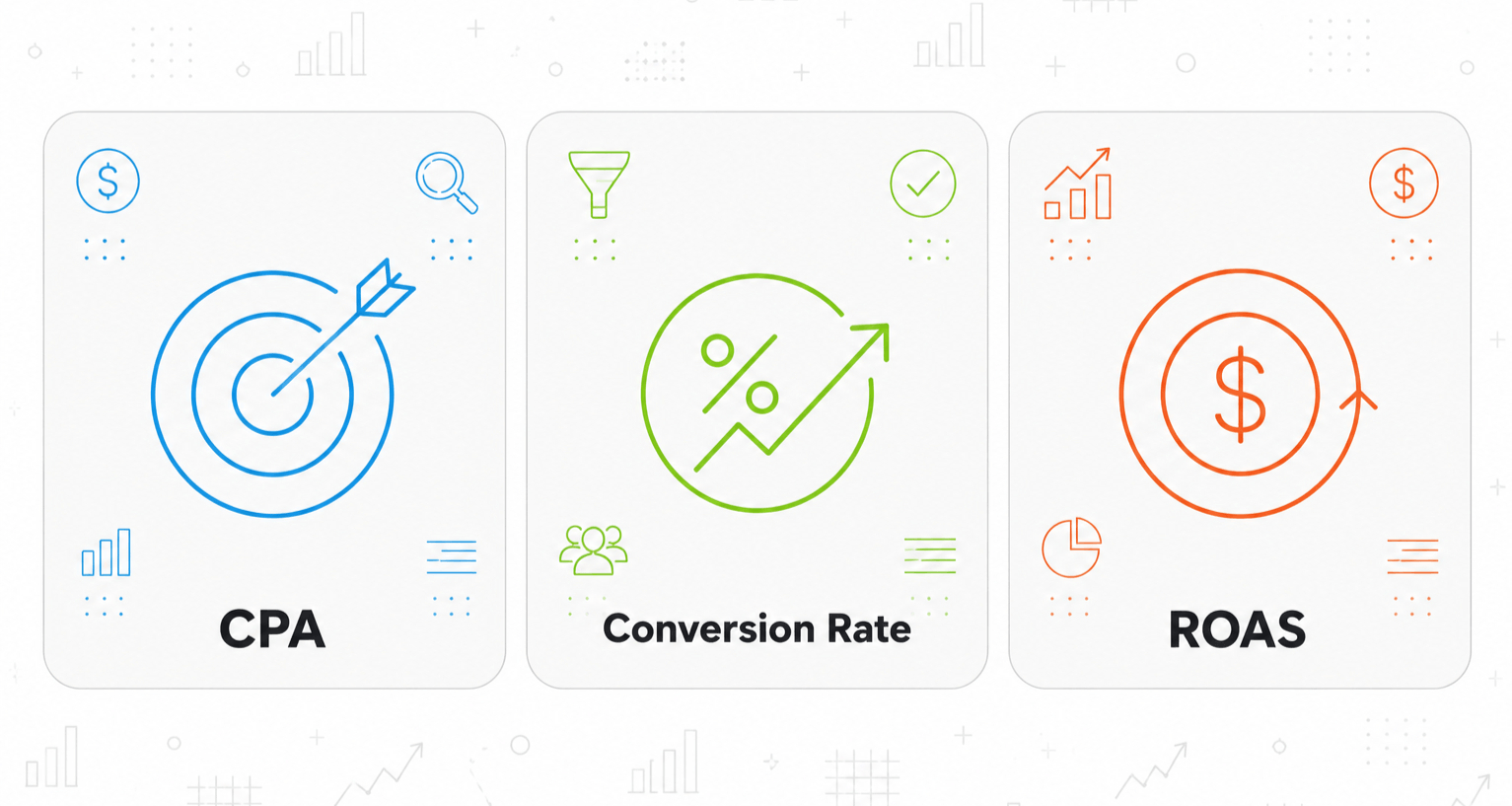
With this data, businesses can quickly see what works and what doesn’t. Poor campaigns can be paused, while successful ones can be scaled.
For instance, Convoy, an e-commerce brand, achieved a 412% growth in traffic by optimizing their spend after tracking real-time performance data. When campaigns are this measurable, budget can be reallocated instantly to follow the highest returns.
AI tools also help by suggesting better budget allocation and improving performance over time.
When Does PPC Become a Disadvantage?
While PPC is powerful, it has some risks if not managed well.
- Rising Costs
Competition continues to increase, which raises the cost per click.
WordStream in 2025 reports that the average Google Ads CPC reached $5.26, a year-on-year increase by 87%. For brands without a strong strategy or optimized landing pages, budgets can run out quickly.
- Cookieless Tracking Challenges
With third-party cookies being removed, businesses have fewer tools to track users across websites, making strong first-party data more important.
To adapt, PPC platforms now use AI targeting to fill this gap. By integrating first-party data and analyzing behavior patterns, AI models can predict the users most likely to convert even without tracking individual users.
- Keyword Cannibalization
Paying for ads on keywords where you already rank organically can lead to unnecessary spending.
This is keyword cannibalization, where paid ads replace traffic the company would have received for free.
- Automation Risks
AI tools can sometimes make changes that do not match your brand message if not monitored closely.
Features like automatically created assets (ACAs) use AI engines to generate ad content that may miss specific business nuances, leading to brand safety risks. It endangers ads appearing in contexts that may be irrelevant to brands or misalign with their objectives.
- No Long-Term Equity
PPC stops working when you stop paying. Unlike SEO, it does not build long-term traffic on its own.
Heavily relying on PPC without building an underlying organic presence makes a company highly vulnerable to sudden CPC spikes or rapid market changes.
PPC Strategy: Benefits vs Risks
Final Thoughts
While the speed of PPC is unmatched, its lack of long-term equity means it should be used to complement, not replace, a foundational organic presence.
Next Steps:
- Identify branded keywords where the site already ranks first organically to avoid wasted spend.
- Use personalized ads to re-engage visitors who didn’t purchase during their first visit.
- Regularly review automatically created assets (ACAs) to ensure they align with brand safety and messaging.
- Ensure high conversion rates to offset rising CPCs and protect the marketing budget.
Frequently Asked Questions (FAQs)
How has AI changed PPC in 2026?
AI now uses sophisticated frameworks to match ads with user intent across search engines and voice assistants. It enables "Smart Bidding," which helps companies find relevant audiences beyond just expensive, popular keywords.
What is "keyword cannibalization" in advertising?
This occurs when a brand pays for ads on keywords where they already rank #1 organically. This leads to unnecessary spending because the company pays for clicks it likely would have received for free.
Is PPC becoming more expensive?
Yes. Increased competition has driven up costs significantly. By 2025, the average Google Ads Cost Per Click (CPC) reached $5.26, marking an 87% increase year-over-year.
Related Content
Read These Next
E-commerce Marketing Automation: How to Increase Sales on Autopilot in 2026